
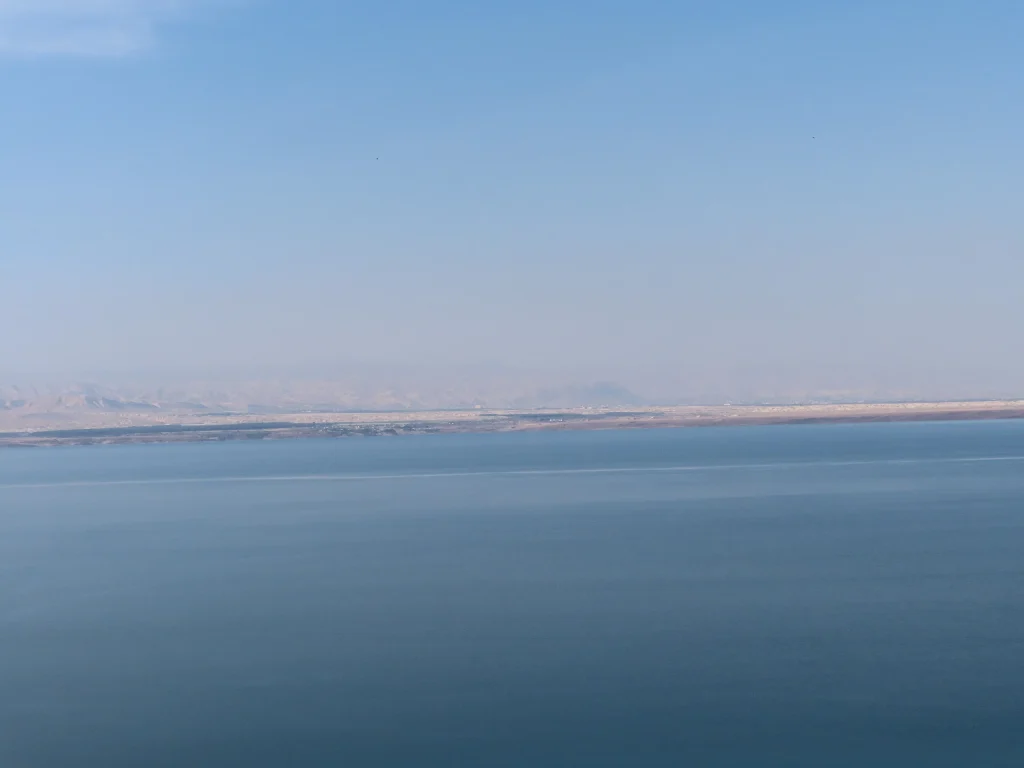

A distant shore can look close across still water. That view is a poor starting point for deciding how to travel. Begin with the actual place you want to visit, its country or territory, and the organization responsible for the arrangements. The phrase “Dead Sea tour” is not enough to establish any of those details.
This guide treats Jordan’s eastern shore, places in Israel on the western side, and the Palestinian West Bank as distinct geographic contexts. Our photographs are orientation aids. They do not describe a continuous itinerary or establish an available crossing.

Jerusalem Boutique Tour from Tel Aviv
This tour is ranked the number 1 Experience in Israel. Our motto: don't be perfect, be honest. No souvenir shop if you don't want to. We leave about...

Travel to Bethlehem Half Day Guided Tour from Jerusalem
This Bethlehem half day tour from Jerusalem is designed to give travelers maximum insight, comfort, and value in a l...

Masada and the Dead Sea Day Trip from Jerusalem
Discover two of Israel's must-see sights on this memorable day trip from Jerusalem. You'll explore the legendary rui...

Travel To Bethlehem, Jericho & Jordan River - Tour From Jerusalem
Experience the ultimate Holy Land journey on our Bethlehem, Jericho & Jordan River Tour. Begin in Bethlehem, the bir...
Give each possibility a full name
Write the location in a form another person could understand without seeing the promotional photograph. Include the town, shore area or named facility as well as the country or territory. Then identify the starting point. A service departing from one city may be unsuitable for someone staying elsewhere, even if both offers use the same destination title.
The Jordan Tourism Board’s Dead Sea page describes the eastern shore and its developed visitor facilities. Our separate guides place En Gedi in Israel and Jericho in the Palestinian West Bank. Their proximity on a regional map does not combine their visitor arrangements.
Read the offer in practical parts
| Part of the plan | What to establish |
|---|---|
| Location | Named shore, country or territory and actual stop |
| Arrival | Exact meeting point and who provides each transfer |
| Visit | Named facilities, guiding, inclusions and exclusions |
| Return | Where the service ends and your onward arrangements |
A title, a photograph and a list of inclusions answer different questions. Read all three. If a place appears only in the imagery, ask whether it is actually on the itinerary. If entrance or facility access matters to you, look for that item in the written inclusions rather than inferring it from a picture of the water.
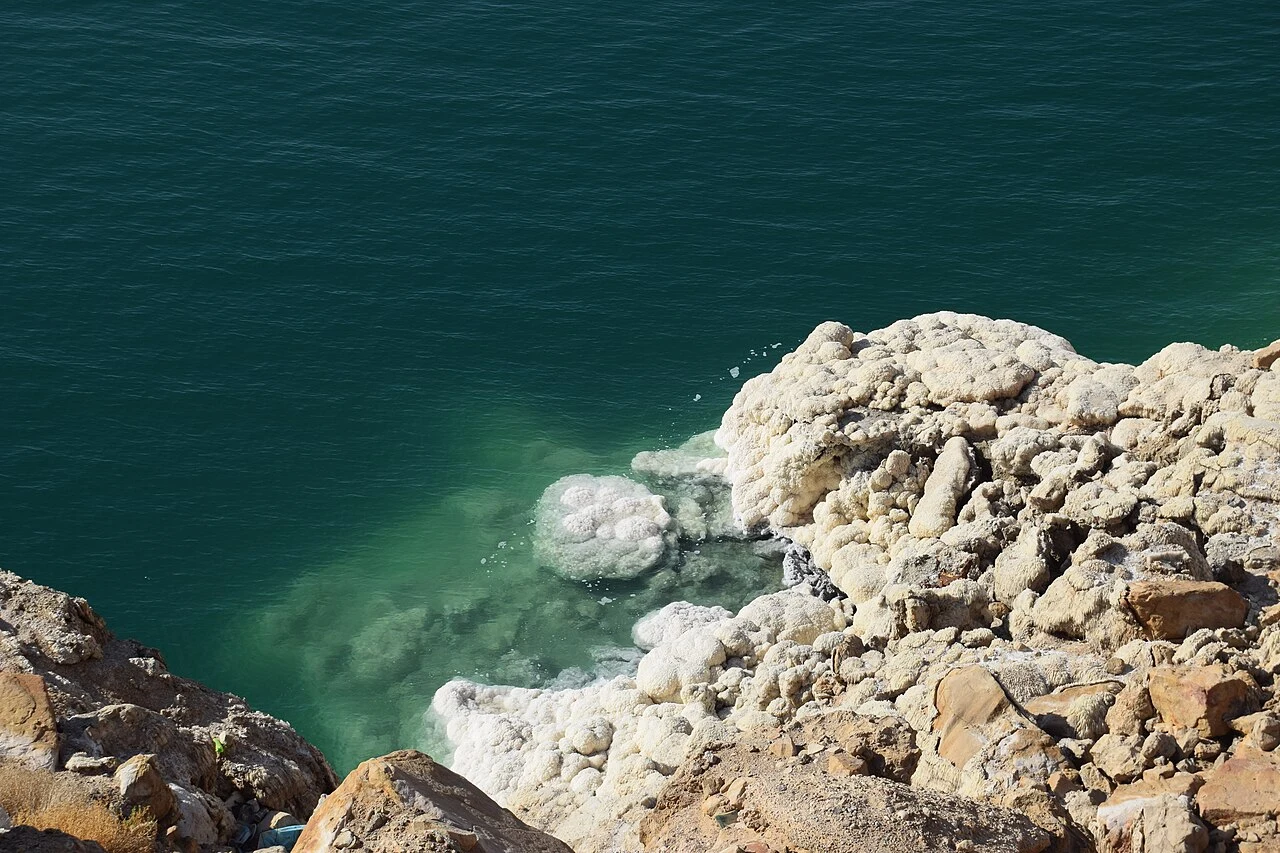

Distinguish a landscape from a facility
Salt-covered rocks are part of the visual character of the basin. They do not identify a managed bathing area or demonstrate that a place is open to visitors. A resort, reserve, town visit and viewpoint also represent different experiences. Decide which one you are comparing before reading prices or reviews.
For accommodation, check the named property, its actual location and the facilities included in the room or day-use arrangement. A wide lake view does not settle the distance to an entrance, the current shoreline or the details of access. Keep confirmation from the party providing the service.
Leave changeable information with its source
Use the responsible authority and the provider’s current written information for access, entry conditions and operational changes. This publication does not issue permits or determine entry eligibility. Do not build a cross-shore plan from our category links; each link opens a separate subject.
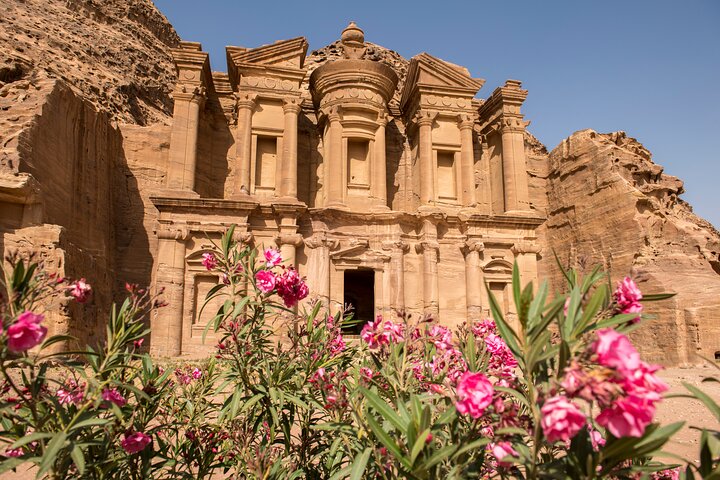
3-Day Petra and Wadi Rum Tour from Jerusalem
This fully guided 3 day tour from Jerusalem will take you through Jordan’s extraordinary history and past some of its most beautiful natural wonde...

Jerusalem: Dual Narrative Tour
Two Tour Guides, One City. Featured by National Geographic and TED, the Dual Narrative Tour (TM) is a multi-pers...

2-Day Petra Tour from Jerusalem
Explore the wonders of Jordan on this two day guided tour from Jerusalem. Discover the world wonder of Petra - stunn...

In the Footsteps of Jesus - Private Tour of Nazareth & the Sea of Galilee
To get a truly deep insight of the Holyland choose this private VIP tour with the most passionate, knowledgeable and...
When comparing provider offers, note what is still unanswered before committing. A useful comparison can end with one clearly understood option rather than a crowded route. Keep the place name, meeting point and return arrangements together, so that the eventual booking corresponds to the visit you intended.